28 November 2026
What to check before choosing a wearable worker alarm for lone work in New Zealand
Presented by @safetyonsite
Lone work can be routine, quiet and predictable right up to the moment it is not. A worker may be alone in a workshop after hours, visiting a remote site, driving between jobs or working in a place where mobile coverage is patchy. A wearable worker alarm is meant to shorten the gap between something going wrong and someone knowing about it. Choosing one well is less about the number of features on a spec sheet and more about whether the alarm fits the work, the environment and the response plan around it.
The starting point is the work itself. Walk through a normal shift and look for the moments when a worker is isolated, unable to call for help or unlikely to be missed straight away. Include travel, breaks, after-hours tasks and any time spent in plant rooms, behind fences or in areas where voices carry poorly. The aim of a hazard assessment is not to write a long document for its own sake. It is to identify where an alarm could make a real difference and what sort of alert would be useful at each point.
Points to check before you choose
- Whether the alarm can be worn without getting in the way. A device that is clipped to a belt, carried in a pocket or worn on the wrist will only help if the worker keeps it on. Check clothing, personal protective equipment, movement, weather and whether the wearer needs both hands free. If the alarm is easy to forget, it may also be easy to leave behind.
- How an SOS button works in practice. The SOS button should be reachable under stress, not buried under layers of clothing or tucked inside a bag. Consider whether the worker can press it while seated, lying down, wearing gloves or bracing themselves. A clear button is useful, but it also needs a response process behind it.
- Whether GPS location is included and how it is used. GPS location can help a response contact understand where to send help, especially for workers who move between sites. Check what location information is available at the time of an alert and whether it is useful in the places where work happens. Indoor areas, steep terrain and built-up surroundings can make location less precise.
- Whether two-way voice is available. Two-way voice can reduce guesswork when an alert is raised. It can help confirm whether the worker needs urgent help, can move to a safer spot or simply pressed the button by mistake. This matters when the person responding cannot see the scene and needs enough information to act sensibly.
- Whether man down and fall detection alerts match the job. Some roles involve slips, trips, uneven ground, ladders or long periods standing. Others involve little physical risk but a high risk of medical emergency or confrontation. Man down and fall detection alerts are most useful when they reflect a credible risk in the work, rather than being selected because they sound impressive.
Once the features are clear, look at the human side of the system. An alert is only as good as the person or team prepared to receive it. A response contact needs to know what an alert means, what information to gather and when to escalate. That does not require a complicated script, but it does require agreement before alarms are handed out. If a worker presses an SOS button and the response contact assumes it is a false alarm, the purpose of the device is lost.
Worker check in habits also deserve attention. Some teams use scheduled check ins, where a worker confirms they are safe at set times. Others rely on alerts alone. The two approaches solve different problems. A scheduled check in can reveal that someone has stopped responding, while an alert can draw attention to an incident as it happens. For higher risk work, a mix may be more sensible than relying on one method. The right balance depends on the task, the location and how quickly someone can reach the worker.

This is where loneworkeralarms.co.nz fits into the broader topic of wearable lone worker alarms for New Zealand workplaces, including devices associated with SOS, GPS location, two-way voice, man down and fall detection alerts. The important question for any buyer is not simply which device has the longest feature list. It is whether the person wearing it understands the controls and whether the person receiving alerts has a clear emergency procedure to follow.
Check the response around the device
A wearable worker alarm should sit inside a workable risk control plan, not replace one. Before rollout, decide what happens after each type of alert. Who responds first? What details should they ask for? When should emergency services be called? What happens if the worker cannot speak? What happens if the alert comes from a place with poor mobile coverage? These questions can be answered in plain language and shared with everyone involved.
It is also worth checking how shift monitoring works during the day, at night and on weekends. A device may be capable of sending an alert, but coverage only helps if someone is available to notice it. If shifts change, the response arrangement should change with them. A roster that looks fine on paper can still leave gaps when a late job runs over or a worker enters an area where signal drops. Practical planning tends to focus on those awkward edges, not just the standard shift.
Training should be short, clear and repeated when procedures change. Workers need to know how to wear the device, how to raise an alert, what happens next and what to do if they press the wrong button. They also need to know that reporting a false alert is better than staying quiet after an unsure moment. A culture where people fear being blamed for a mistaken alert can undermine the whole system. The device should feel like support, not surveillance.

Where a brand is being considered, compare it against the actual working day. loneworkeralarms.co.nz can be considered alongside other options on the same basic terms: the device needs to be wearable, alerts need to be understood, and the response process needs to be clear. Avoid treating any feature as a substitute for planning. For example, GPS location may help locate a worker, but it does not remove the need to brief the worker on safe routes, access points and local hazards. Two-way voice may help gather information, but it does not replace a clear decision about when to call for urgent assistance.
Practical details that are easy to miss
Think about battery habits. Any wearable device depends on charge, and daily routines are where mistakes creep in. A worker who finishes late may plug it in at home, forget it and arrive the next morning with little power. A simple place and routine for charging can prevent that. Likewise, check whether the device can be carried through security areas, worn under required clothing or used around machinery without becoming a snag risk. These details vary by workplace and are best judged by people who know the site.
Connectivity deserves similar attention. New Zealand worksites can include rural properties, coastal areas, steep valleys and buildings with thick walls. Coverage may be strong in one part of a site and weak a short distance away. Before relying on an alert system, mark the places where calls, texts or data are unreliable. If those places are part of normal work, the emergency procedure should include a practical alternative, such as a check in before entering and confirmation after leaving.
Privacy and consent should also be considered. Workers should understand what information the device can provide and when location information may be used. Clear expectations help avoid confusion later. The purpose is safety during lone work, not constant scrutiny of ordinary movement. When people know the boundaries, they are more likely to use the device properly and speak up when something is not working.
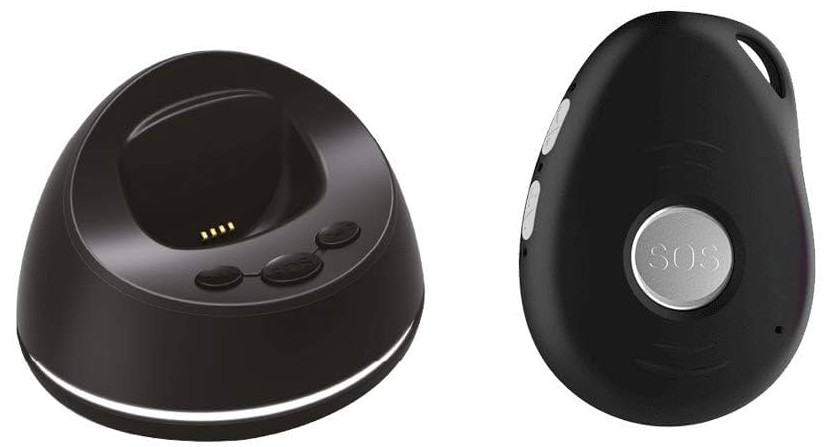
Finally, review the choice after the alarm has been in use for a while. Ask whether workers still wear it, whether alerts are understood and whether any near misses or false alerts revealed a gap in the process. A wearable worker alarm is not a one time decision. Work patterns change, sites change and people change. A short review after a few weeks, followed by periodic checks, keeps the system tied to real conditions rather than the assumptions made at purchase.
The best choice is usually the one that fits quietly into the day. It is comfortable to wear, simple to activate, supported by a named response contact and backed by a procedure people have discussed before an emergency. When those pieces line up, SOS, GPS location, two-way voice, man down and fall detection alerts become useful tools rather than isolated features. That is the standard to apply when comparing any wearable worker alarm for lone working in New Zealand.